

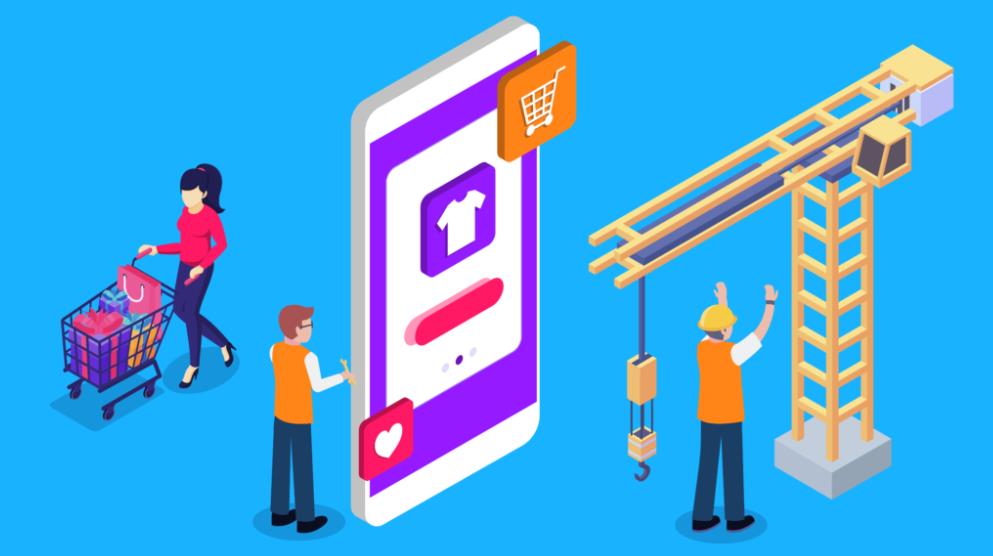

In the ever-evolving landscape of digital commerce, the surge of shopping apps over the past few years has been nothing short of remarkable. As smartphones have become indispensable in daily life, consumers have grown increasingly comfortable with the idea of browsing, comparing, and purchasing products entirely from the palm of their hand. What used to be a novelty—ordering a single item from a desktop browser—has now transformed into a fully immersive mobile shopping experience that blends convenience, personalization, and entertainment. In 2026, the most successful shopping apps are not merely digital storefronts; they are lifestyle companions, offering an experience that feels seamless, curated, and tailored to individual desires.
Take, for instance, the rise of apps like Shein, Wish, and Poshmark. While Shein has mastered fast fashion with hyper-aggressive pricing and an endlessly refreshing inventory, Wish caters to consumers seeking deals on quirky and unusual items, often creating the excitement of unboxing surprises. Poshmark, on the other hand, has tapped into the social aspect of shopping, turning resale into a community-driven experience where sellers and buyers interact, negotiate, and build a sense of trust and connection. From my own experience, scrolling through Poshmark on a weekend morning has become almost ritualistic; the combination of discovering rare pieces and connecting with sellers makes shopping feel like a hobby rather than a transaction. This sense of engagement is precisely why these apps are outperforming traditional e-commerce platforms.
The psychology behind their success is deeply rooted in understanding modern consumer behavior. Users today crave immediacy, personalization, and gamification. Shein, for example, employs sophisticated AI algorithms to predict trends and suggest items based on a user’s browsing and purchasing patterns. This means that a person who buys a summer dress might soon see recommendations for matching sandals or accessories, often within hours. The feeling of being understood, of having a platform anticipate your needs, creates loyalty in a way traditional retail cannot match. Similarly, Wish’s appeal lies not just in low prices, but in the thrill of discovering a bargain, tapping into a dopamine-driven feedback loop. My cousin, who frequently shops on Wish, described the experience as “like flipping through a treasure chest every time you scroll,” and I’ve found this characterization remarkably accurate after testing it myself.
Social integration is another element that has fueled the rise of these apps. Platforms like Depop and Poshmark blur the line between social media and commerce, allowing users to follow friends, celebrities, or influencers and see their curated collections. This peer-to-peer influence is subtle yet powerful; it encourages micro-trends and creates urgency, particularly among younger shoppers who value individuality and social recognition. On Depop, for instance, it’s not unusual to see limited-run vintage items disappear within minutes, driven entirely by social shares and influencer recommendations. This combination of social proof and scarcity creates a dynamic environment that feels both personal and competitive, motivating users to engage frequently.
Moreover, the convenience factor cannot be overstated. Modern shopping apps have perfected the art of reducing friction. One-click purchasing, integrated digital wallets, same-day delivery options, and easy returns have made buying online as effortless as swiping through a social feed. During the 2025 holiday season, I relied on multiple apps to order gifts, from boutique skincare products to tech gadgets. What struck me was how different the experience was compared to a traditional e-commerce website. The apps were faster, more intuitive, and visually optimized for mobile viewing, turning a potentially stressful shopping experience into an almost meditative activity. It’s not merely the product selection that matters; it’s the entire journey—from discovery to checkout—that these apps have refined.
The integration of augmented reality (AR) and AI has also become a game-changer. Shopping apps like IKEA and Sephora have leveraged AR to allow users to visualize furniture in their homes or try on virtual makeup before purchasing. This technological enhancement bridges the gap between digital and physical experiences, addressing one of the biggest limitations of online shopping: the inability to see or try the product firsthand. I remember experimenting with IKEA’s app to place a virtual sofa in my living room, and the realism was so convincing that it influenced my purchasing decision more than any photograph ever could. Similarly, Sephora’s virtual try-on tool eliminates much of the hesitation consumers feel when buying cosmetics online, effectively combining convenience with confidence in the purchase.
Another significant trend is the expansion of subscription-based shopping models within these apps. Amazon’s “Subscribe & Save” or Walmart+ offerings exemplify how subscription models enhance convenience while fostering loyalty. However, smaller and emerging apps have also adopted creative subscription approaches, such as curated monthly fashion boxes or recurring health and wellness products. These subscriptions transform the consumer relationship from transactional to continuous, creating habitual engagement. A friend of mine who uses a monthly skincare box from an indie app noted that it feels like receiving a personal gift every month, and the anticipation itself is addictive. This emotional attachment is a subtle but critical driver of sustained app engagement.
What truly sets the top-performing shopping apps apart is their relentless focus on personalization. Beyond AI-based product recommendations, they leverage user behavior to tailor marketing, notifications, and even content layout. For example, apps can detect when a user frequently shops for a particular category—say, athletic wear—and prioritize new arrivals in that niche while downplaying irrelevant categories. Push notifications are no longer generic; they are timed and phrased to feel almost like a conversation rather than an advertisement. I personally experienced this with an outdoor gear app that seemed to anticipate my weekend hiking plans, notifying me of a limited-time deal on boots just days before a trip I had searched for months prior. This level of targeted personalization not only drives sales but also reinforces a sense of connection between the user and the app.
Community-building features further amplify engagement. Many apps now include user reviews with multimedia, Q&A sections, and forums where shoppers can exchange tips, post photos, and even collaborate on style ideas. This community element transforms what might have been a solitary shopping activity into an interactive, socially rewarding experience. When I purchased a vintage jacket on Depop, the follow-up chat with the seller, including style suggestions and care tips, made me feel invested in the platform beyond the single purchase. This emotional engagement, rare in traditional online retail, is a cornerstone of why these apps are winning hearts and wallets alike.
Payment flexibility has also emerged as a critical factor. Apps that integrate multiple payment options—including Apple Pay, Google Wallet, Klarna, Afterpay, and cryptocurrency—cater to the diverse financial preferences of modern consumers. The ability to buy now and pay later, or to split payments across several transactions, reduces purchase anxiety and increases conversion rates. During a recent shopping session, I used a “buy now, pay later” option for a high-ticket gadget. The ease of this process, coupled with the immediate access to the product, reinforced the app’s convenience over traditional checkout systems that often require multiple steps and verification. This financial fluidity is particularly appealing to younger generations who value flexibility and instant gratification.
International expansion is another arena where shopping apps are excelling. Cross-border commerce has become more seamless, with apps supporting multiple languages, currencies, and shipping options. Global consumers can now access products previously limited to specific regions, broadening the market for both sellers and buyers. I recently ordered a handcrafted accessory from a European boutique using a U.S.-based app, and the entire process—from checkout in my local currency to expedited shipping—was effortlessly integrated. This globalization of mobile commerce not only increases revenue potential for apps but also enhances consumer experience by offering diversity and novelty that brick-and-mortar stores struggle to match.
Marketing strategies also contribute significantly to app dominance. Influencer partnerships, limited-time flash sales, referral bonuses, and interactive campaigns are now standard, but the sophistication with which top apps deploy these tactics is noteworthy. They understand that consumers are not simply buying products; they are buying experiences, entertainment, and social validation. For instance, when a friend referred me to an emerging lifestyle shopping app, the reward points and exclusive content I received created an instant sense of value and belonging, incentivizing further engagement. These strategies demonstrate that modern shopping apps are as much about building brand culture as they are about facilitating transactions.
Data analytics is the invisible engine behind this success. By tracking engagement, purchase history, time spent browsing, and even scroll patterns, apps can continually refine the user experience. This results in a feedback loop where the platform becomes increasingly attuned to individual preferences, optimizing everything from product display to promotional messaging. From personal experience, after a few weeks of using a niche fashion app, I noticed that the app seemed to “learn” my style almost intuitively. Recommendations became more relevant, notifications timed better, and the overall experience felt increasingly personal, reinforcing both trust and loyalty.
Sustainability and ethical considerations are emerging as additional drivers of user engagement. Conscious consumers now gravitate toward apps that highlight eco-friendly products, transparent supply chains, and socially responsible brands. Apps that integrate sustainability filters, carbon footprint indicators, and ethical sourcing information are gaining traction, particularly among younger demographics. I discovered a small ethical fashion app that allowed me to filter products by environmental impact and fair labor certifications. This feature not only informed my purchasing decisions but also fostered a sense of contributing to something meaningful, demonstrating how purpose-driven commerce is reshaping the app landscape.
The integration of entertainment features into shopping is another hallmark of winning apps. Live shopping events, interactive quizzes, gamified rewards, and short-form video product demonstrations blur the line between shopping and leisure. TikTok’s foray into commerce has popularized this trend, and many apps now emulate similar formats, creating immersive and dynamic shopping experiences. Participating in a live-streamed fashion haul recently, I found myself interacting with other viewers, asking questions in real-time, and even securing limited-edition items mid-stream. This level of engagement turns shopping into a participatory experience rather than a passive transaction, cementing user retention and excitement.
Ultimately, the surge of shopping apps in 2026 reflects a convergence of technological innovation, psychological insight, social integration, and a deep understanding of contemporary consumer desires. They succeed because they are more than mere marketplaces; they are ecosystems that blend commerce, community, entertainment, and personalization into an intuitive, emotionally resonant experience. From personalized recommendations and AR try-ons to social interactions and flexible payments, these apps have redefined what mobile shopping can and should be. My personal experiences across multiple platforms echo this trend: what used to be a mundane necessity has evolved into an engaging, dynamic, and surprisingly social activity, making it clear why these apps are winning over millions of users worldwide.
For businesses and developers, understanding the factors driving this surge is crucial. The successful apps demonstrate a relentless commitment to user experience, technological integration, social engagement, and emotional resonance. For consumers, they offer a level of convenience, personalization, and interaction that offline and traditional online shopping can no longer match. The momentum is unlikely to slow anytime soon. As innovations continue to emerge in AI, AR, social commerce, and payment flexibility, the next wave of shopping apps will likely be even more immersive, seamless, and indispensable to everyday life. Those that fail to evolve risk falling behind in a marketplace where user attention is both fragmented and fiercely contested.
In reflecting on my own journey through these apps, it’s evident that the combination of convenience, personalization, social engagement, and entertainment transforms the shopping process from a routine task into a meaningful, enjoyable experience. The apps that win are those that not only anticipate our needs but also connect with us on emotional, social, and psychological levels. In 2026, the most successful shopping apps are doing just that, turning every swipe, tap, and scroll into a small, satisfying adventure.