

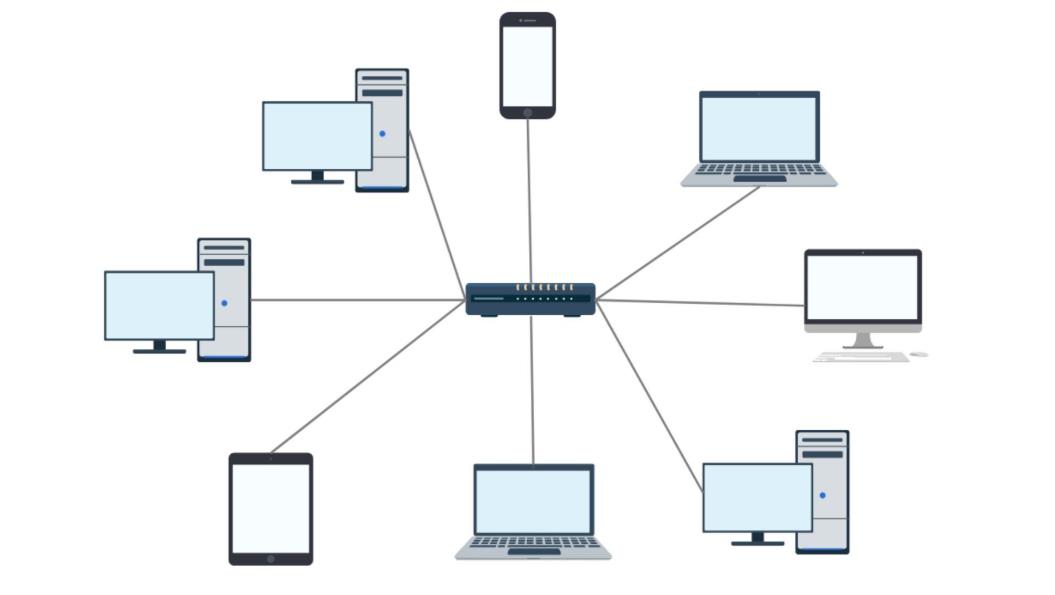

In today’s digital age, a stable and secure network is no longer a luxury—it’s a necessity. Whether you’re working from home, running an online business, or just streaming your favorite shows, understanding and using the right network tools can make all the difference. This guide explores the most effective tools to enhance your network’s speed, security, and productivity, helping you stay ahead in an increasingly connected world.
Understanding Network Performance
Before diving into tools, it’s crucial to understand what makes a network perform well. Network performance depends on several factors: bandwidth, latency, packet loss, and stability. High bandwidth allows more data to flow through your network, while low latency ensures fast responses. Monitoring these metrics is key for both home users and IT professionals.
For example, a slow internet connection can disrupt video calls, online gaming, and cloud services. Here, tools like bandwidth testers and ping utilities become essential, offering real-time insights into network performance. Popular online bandwidth test websites allow users to check download and upload speeds, providing a baseline for troubleshooting.
Essential Network Monitoring Tools
Network monitoring tools help track your network’s health and detect issues before they become critical. For small businesses and IT professionals, these tools are indispensable. Some top options include:
- Wireshark – A free and open-source packet analyzer that provides detailed insights into network traffic. It helps identify unusual activity, troubleshoot connectivity issues, and optimize network performance.
- PRTG Network Monitor – A robust solution that monitors bandwidth, uptime, and device health. It supports alerts and notifications to preempt network downtime.
- SolarWinds Network Performance Monitor – Ideal for large networks, offering real-time monitoring, performance analysis, and automated reporting.
Using these tools not only improves network efficiency but also enhances network security, as irregular traffic patterns often indicate potential threats.
Securing Your Network with Firewalls and VPNs
Security is paramount. Hackers, malware, and unauthorized access are constant threats to personal and business networks. Two fundamental tools for safeguarding your network are firewalls and VPNs.
- Firewalls act as gatekeepers, filtering incoming and outgoing traffic based on predefined security rules. Hardware firewalls are commonly used in businesses, while software firewalls protect individual devices.
- VPNs (Virtual Private Networks) encrypt your internet connection, ensuring privacy when accessing public Wi-Fi or handling sensitive data. Leading VPN services like NordVPN, ExpressVPN, and CyberGhost are popular among professionals and travelers alike.
By integrating firewalls and VPNs, you can create a multi-layered defense that keeps data safe and secure.
Troubleshooting Common Network Issues
Even the most robust network can experience hiccups. Common problems include slow speeds, intermittent connectivity, and device incompatibility. Here are tools and strategies to address these issues:
- Ping and Traceroute Tools – These utilities check connectivity and identify the route data takes across the network. They help pinpoint where delays or failures occur.
- Network Diagnostic Software – Programs like NetSpot or GlassWire can detect interference, weak Wi-Fi signals, and unauthorized devices.
- Router Management Apps – Modern routers often come with companion apps to monitor traffic, reboot devices, and prioritize bandwidth for specific applications.
Using these tools regularly ensures smoother network performance and faster problem resolution.
Optimizing Network Speed
For both work and entertainment, speed matters. Optimizing your network involves more than just upgrading your internet plan. Tools that help analyze bandwidth usage, manage traffic, and improve Wi-Fi coverage are critical.
- Bandwidth Management Tools – Software such as NetBalancer or cFosSpeed lets you prioritize traffic, ensuring critical applications like video conferencing or online gaming get the necessary bandwidth.
- Wi-Fi Analyzers – Apps like Acrylic Wi-Fi or Ekahau HeatMapper identify signal strength issues and channel interference, helping you place routers and access points optimally.
Proper optimization leads to a seamless experience for all users connected to the network.
The Role of Cloud-Based Network Tools
Cloud technology has transformed network management. Cloud-based tools offer real-time monitoring, remote access, and automated alerts without the need for physical servers. Popular solutions include:
- Cisco Meraki – A cloud-managed platform providing security, monitoring, and analytics for large networks.
- Ubiquiti UniFi – Offers remote management and performance monitoring with detailed analytics.
- Cloudflare – Enhances network security, optimizes content delivery, and mitigates DDoS attacks.
These tools are especially valuable for businesses managing multiple locations or remote teams.
Best Practices for Using Network Tools
Using network tools effectively requires more than installing software. Consider these best practices:
- Regular Monitoring – Schedule periodic checks using monitoring tools to identify trends and prevent issues.
- Security Updates – Keep firmware, firewalls, and VPN software updated to protect against vulnerabilities.
- Documentation – Maintain records of network configurations, changes, and issues to simplify troubleshooting.
- User Education – Teach employees or household members safe browsing habits and how to avoid network misuse.
By combining tools with smart practices, you can maximize both performance and security.
Future Trends in Network Tools
The networking landscape is evolving rapidly. Emerging technologies like AI-powered network monitoring, IoT device integration, and 5G optimization are shaping the future of network tools. AI algorithms can predict failures, optimize routing, and automatically detect security threats, making networks smarter and more reliable.
Furthermore, as IoT devices proliferate, network tools are becoming essential for managing and securing thousands of connected devices, from smart thermostats to industrial machinery. Businesses investing in next-generation network tools will enjoy a significant competitive advantage.
Understanding and leveraging the right network tools can dramatically enhance your internet speed, security, and productivity. From basic bandwidth tests to advanced monitoring software and VPNs, these tools empower both individuals and businesses to optimize their digital environments. By adopting best practices and staying informed about future trends, you ensure that your network remains efficient, secure, and ready for the demands of modern digital life.