

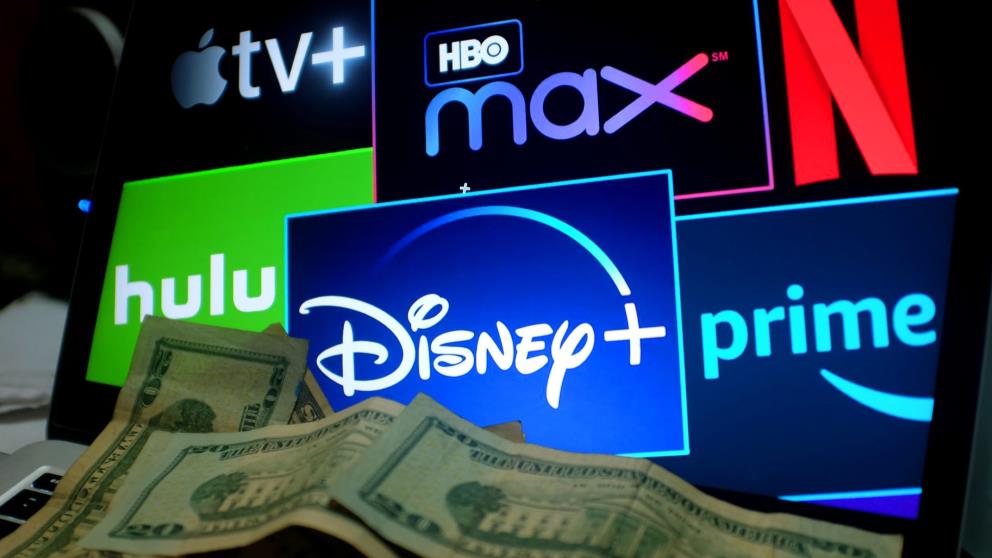

The streaming wars in 2026 have never been fiercer, with viewers around the world constantly debating which platform truly deserves their monthly subscription. Netflix, Disney+, and HBO Max have each carved out substantial niches in the entertainment landscape, yet the differences in content libraries, user experience, pricing models, and emerging technologies make choosing the “best” streaming app a surprisingly complex decision. Having used all three extensively over the past year, I can offer an insider’s perspective that goes beyond marketing slogans and press releases.
Netflix has long been the standard-bearer of streaming innovation, pioneering binge-worthy series and original films that dominate conversations online. In 2026, Netflix continues to push boundaries with its mix of international content, AI-powered recommendations, and immersive storytelling. Shows like the latest season of Stranger Things maintain a cultural footprint that few other platforms can rival, and Netflix’s global reach ensures that audiences in the U.S., Europe, and even smaller markets have access to a consistently vast catalog. One of the standout aspects of Netflix is its algorithmic sophistication. Based on my personal viewing habits, Netflix seems to anticipate what I might enjoy almost eerily well, introducing me to hidden gems like indie thrillers from Scandinavia or critically acclaimed dramas from South Korea. The personalization feels less like marketing and more like a curated streaming concierge, which, for busy viewers, is invaluable.
Disney+ presents a completely different proposition. While Netflix aims for breadth and unpredictability, Disney+ leans heavily on depth within its established franchises. By 2026, Disney+ has not only solidified its hold on the Marvel, Star Wars, and Pixar universes but has also begun expanding into adult-targeted narratives and documentaries, creating a platform that appeals to multiple age groups without sacrificing brand identity. As a parent, I find Disney+ particularly reliable for family viewing. The parental controls are robust, and the content filtering ensures that my children can explore movies and shows without accidentally encountering material that’s inappropriate. Moreover, Disney+’s approach to nostalgia and franchise continuity is unmatched. Watching a newly released Guardians of the Galaxy series seamlessly continue the narrative from the movies feels cohesive in a way Netflix often struggles to achieve with its sprawling, disconnected originals.
HBO Max, now rebranded as Max in some regions, represents a blend of prestige content and high-caliber originals that appeal to viewers seeking cinematic quality rather than quantity. The platform’s strength lies in its award-winning series and film library, including partnerships with major studios that bring critically acclaimed films directly to streaming on release day. In my own experience, the appeal of Max is immediate when compared to the other platforms. The cinematic aesthetic, combined with shorter, highly curated seasons, allows for a more focused and high-quality viewing experience. Unlike Netflix’s sprawling catalog, where endless scrolling can be overwhelming, Max presents a sense of deliberate curation, almost like browsing a boutique film festival from your couch.
Pricing is another critical differentiator among these platforms. Netflix’s tiered subscription system in 2026 is slightly higher than in previous years, reflecting investment in high-budget originals and AI-driven features. The premium plan now includes enhanced 4K HDR streams, multiple simultaneous profiles, and limited offline downloads for certain titles. Disney+ has maintained competitive pricing while offering bundled options with ESPN+ and Hulu in the U.S., which is particularly attractive for households looking to consolidate entertainment options. HBO Max tends to sit in the premium bracket, justifying the cost with a library that includes theatrical releases, HBO originals, and exclusive Max Originals. For someone who prioritizes blockbuster films and award-winning content, the slightly higher subscription feels justified, though casual viewers might balk at the price difference compared to Disney+.
User experience is another area where differences are stark. Netflix’s interface is sleek, intuitive, and responsive across devices, but its over-reliance on autoplay previews can sometimes feel intrusive. The platform excels on mobile devices, smart TVs, and streaming sticks, offering a consistent experience regardless of the screen size. Disney+ has made strides in UX design over the past two years, introducing more seamless navigation between franchises and robust search filters, which makes locating specific content remarkably simple. HBO Max has historically been criticized for clunky navigation and inconsistent recommendations, but in 2026, its recent interface overhaul has resolved most of these pain points. The platform now offers well-categorized sections, personalized suggestions, and integrated behind-the-scenes content that enhances engagement, making it feel more like a curated viewing experience rather than a generic streaming catalog.
Content diversity is arguably the area that most influences the choice between these platforms. Netflix’s international reach allows for a truly global library, from Korean dramas and British crime thrillers to Brazilian reality series and French documentaries. This global breadth is unmatched, and for audiences who enjoy exploring cultures through storytelling, Netflix remains unparalleled. Disney+, while not as expansive globally, excels in content that ties directly into existing franchises, offering viewers the rare satisfaction of complete narrative universes. HBO Max strikes a balance with prestige content that spans adult dramas, documentaries, and select family offerings, making it the preferred choice for those who prioritize quality over quantity.
Technology integration is another differentiator. Netflix has invested heavily in AI and interactive storytelling, with experiments in branching narratives and immersive AR/VR experiences, particularly for franchises with broad fan bases. Disney+ has focused on expanding its streaming ecosystem, integrating Disney Genie+ and AR experiences for select franchises, enhancing the connection between screen and real-world entertainment. HBO Max is experimenting with cinematic-quality sound optimization and adaptive streaming that adjusts based on device and bandwidth, emphasizing a theater-like experience at home. In my personal testing, these technological touches significantly affect engagement. Watching a Marvel series on Disney+ feels narratively cohesive, while Netflix’s interactive content provides a fun but occasional novelty, and Max’s adaptive streaming delivers a consistently high-fidelity experience.
The community and social experience also plays a role in choosing a streaming platform. Netflix has social features integrated with its recommendation system, including shared watchlists and viewing parties, fostering a sense of communal viewing even across distances. Disney+ encourages social engagement through fan forums, exclusive behind-the-scenes clips, and interactive features tied to its franchises, appealing especially to younger audiences and franchise enthusiasts. HBO Max, though more focused on content quality than social interaction, has started experimenting with watch-along features and exclusive fan events, providing opportunities for shared viewing without detracting from the curated experience.
Another practical consideration is device compatibility and portability. Netflix’s app is widely available on nearly every smart device, including smart TVs, tablets, phones, and even some game consoles, making it highly versatile for users who consume content in multiple contexts. Disney+ has expanded its support for mobile gaming integrations, wearable devices, and smart home ecosystems, enhancing its appeal for families and tech-savvy viewers. HBO Max has prioritized high-definition streaming on larger screens and immersive sound systems, emphasizing cinematic fidelity over portability. In my household, Netflix is the go-to for casual viewing on the go, Disney+ dominates family movie nights, and Max is reserved for evenings when we want a theater-quality experience without leaving the house.
Content release strategy further separates these platforms. Netflix continues its model of releasing entire seasons at once, which has popularized binge-watching as a cultural phenomenon. Disney+ tends toward a hybrid approach, releasing episodes weekly for flagship series while launching movies directly to the platform, creating a balance between anticipation and immediate gratification. HBO Max often mirrors theatrical release schedules for blockbuster films, creating a sense of event television where new episodes and films become communal experiences. Personally, I find Disney+’s hybrid strategy to maintain excitement over time without losing viewer momentum, whereas Netflix’s all-at-once release is convenient but sometimes overwhelming. Max’s cinematic-first approach provides anticipation but requires careful scheduling to catch releases at the right time.
Advertising and monetization models have evolved in 2026 as well. Netflix introduced ad-supported tiers at lower subscription costs, which affects user experience depending on tolerance for interruptions. Disney+ remains largely ad-free but monetizes through bundled subscriptions and merchandise tie-ins. HBO Max also offers a limited ad-supported plan, balancing cost savings with premium content delivery. In my experience, the presence or absence of ads can significantly alter enjoyment, with Disney+ consistently delivering a more seamless experience for families and casual viewers, whereas Netflix’s ad tier may appeal primarily to budget-conscious subscribers.
Ultimately, the question of which streaming platform is “best” in 2026 depends on individual priorities. Netflix is the most versatile and globally diverse, ideal for viewers who crave variety and are eager to explore international content. Disney+ is perfect for franchise fans, families, and viewers seeking cohesive narratives that connect across films and series. HBO Max appeals to cinephiles, quality-focused viewers, and those who appreciate curated, high-fidelity content. Having lived with all three for several months, my personal usage patterns reflect these tendencies. Netflix dominates casual, everyday viewing and travel scenarios, Disney+ anchors family entertainment, and Max elevates special evenings where cinematic immersion is the goal.
In conclusion, while Netflix, Disney+, and HBO Max each offer compelling reasons to subscribe, the decision ultimately comes down to viewing habits, content preference, and desired user experience. The competition in 2026 has pushed all three platforms to innovate, integrate advanced technology, and refine user experience in ways that benefit viewers. My advice for anyone navigating this streaming landscape is to consider not only what you want to watch today but also how you like to watch it—whether in short daily bursts, weekly anticipatory episodes, or full immersive cinematic experiences. Each platform has strengths that align with different lifestyles, and in many households, the best solution may not be a single platform but a combination that complements various moods, preferences, and viewing scenarios. Choosing wisely ensures that your entertainment investment delivers maximum enjoyment, innovation, and engagement in the rapidly evolving world of streaming media.