

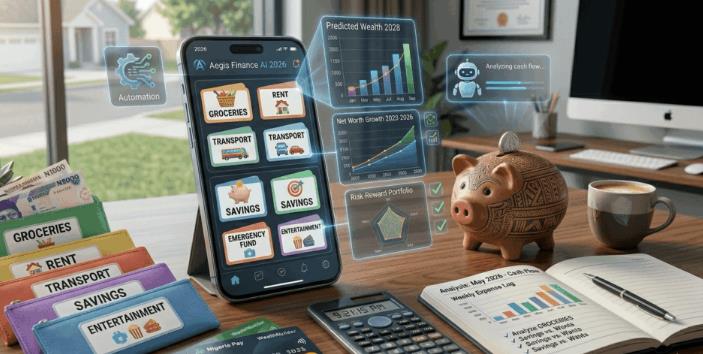

Saving money is one of the most important financial habits, yet many people struggle with a simple question: How much should I actually save every month?
For years, traditional financial advice often suggested saving a fixed percentage of income, such as 10% or 20%. While these guidelines can be helpful, modern financial realities have become more complicated. Rising housing costs, inflation, higher interest rates, changing employment patterns, student debt, and increasing healthcare expenses have made personal finance more personalized than ever.
In 2026, saving money is no longer just about putting aside cash for emergencies. It is about creating financial flexibility, protecting yourself from unexpected events, preparing for major life goals, and building long-term wealth. Whether you are a young professional starting your career, a family managing household expenses, a freelancer with variable income, or someone preparing for retirement, your ideal monthly savings amount depends on your income, lifestyle, goals, and financial responsibilities.
This practical guide explains how much money you should save each month, the popular savings rules used by financial experts, how to calculate a realistic savings target, and how to build a sustainable savings system that works with your lifestyle.
Why Monthly Savings Matter More Than Ever in 2026
Many people think saving money is only about becoming wealthy. In reality, savings provide something equally valuable: financial security.
A healthy savings habit allows you to handle unexpected situations without relying heavily on credit cards or loans. A broken car, medical expense, job loss, home repair, or family emergency can create serious financial stress if you do not have enough money available.
Recent economic trends have made emergency savings even more important. Many households across Western countries have experienced increased costs in areas such as:
- Housing and rent
- Food and groceries
- Energy bills
- Insurance premiums
- Transportation expenses
- Healthcare costs
- Education expenses
At the same time, many workers are experiencing changes in employment. Remote work, freelance careers, contract positions, and the growth of the digital economy have created more flexibility but also more uncertainty.
Savings act as a personal financial safety net. They give you the ability to make decisions based on opportunity rather than desperation.
For example, someone with six months of expenses saved may feel comfortable changing careers, starting a business, moving to a better location, or investing in education. Someone without savings may feel trapped because every financial decision depends on immediate income.
The purpose of saving is not simply having money sitting in an account. The purpose is creating freedom and control over your future.
The Popular 50/30/20 Rule: A Starting Point for Monthly Savings
One of the most widely discussed budgeting strategies is the 50/30/20 rule.
This approach divides your after-tax income into three categories:
- 50% for needs
- 30% for wants
- 20% for savings and debt repayment
For example, if your monthly after-tax income is $5,000:
- $2,500 goes toward essential expenses
- $1,500 goes toward lifestyle spending
- $1,000 goes toward savings and financial goals
The savings portion can include:
- Emergency funds
- Retirement contributions
- Investment accounts
- Debt repayment
- Future purchases
The advantage of this method is simplicity. It provides a clear target without requiring complicated financial calculations.
However, the 50/30/20 rule is not realistic for everyone.
Someone living in a high-cost city may spend more than 50% of income on housing alone. A person paying off significant student loans may need to allocate more money toward debt. A lower-income household may only be able to save 5% initially.
The rule should be viewed as a guideline, not a strict requirement.
A better approach is to understand your personal financial situation and create a savings percentage that you can maintain consistently.
So, How Much Should You Save Each Month?
The ideal monthly savings amount depends on your financial stage, but many experts recommend aiming for the following ranges:
Saving 5% of Income: A Beginning Financial Habit
Saving 5% of your monthly income is a realistic starting point for people who are:
- Building their first savings account
- Managing high living costs
- Paying off expensive debt
- Starting their first job
For example:
If your monthly income is $4,000 after taxes:
5% savings = $200 per month
While $200 may not seem like a large amount, consistency matters. Saving $200 every month creates $2,400 per year, before considering interest or investment growth.
The most important step is developing the habit.
Many people fail financially not because they save too little, but because they never build the discipline of saving regularly.
Saving 10% of Income: A Strong Financial Foundation
Saving 10% of income is a common benchmark recommended for many households.
Example:
Monthly income: $5,000
10% savings:
$500 per month
Annual savings:
$6,000
This level can help you:
- Build an emergency fund
- Prepare for major purchases
- Start investing
- Improve financial confidence
For many middle-income households, saving 10% consistently is a realistic and sustainable goal.
Saving 15%–20% of Income: Building Long-Term Wealth
People who want stronger financial security often aim for 15%–20% savings.
This level is especially important for individuals who want to:
- Retire earlier
- Build investment portfolios
- Achieve financial independence
- Reduce financial stress
Example:
Monthly income: $6,000
20% savings:
$1,200 per month
Annual savings:
$14,400
Over many years, this amount can significantly improve financial outcomes through compound growth.
Saving 30% or More: Accelerated Financial Goals
Some people intentionally save 30%–50% of their income to achieve aggressive goals.
This is common among:
- High-income professionals
- Entrepreneurs
- Early retirement communities
- People pursuing financial independence
However, extremely high savings rates are not necessary for everyone.
A sustainable savings plan that fits your lifestyle is usually better than an unrealistic plan that causes burnout.
The Importance of Emergency Savings Before Aggressive Investing
One of the biggest financial mistakes people make is investing before building emergency savings.
Investments can grow wealth, but they also fluctuate in value. If you need money during a market downturn, you may be forced to sell investments at a loss.
That is why many financial experts recommend building an emergency fund first.
A common recommendation is:
Starter Emergency Fund
$1,000–$2,000
This provides basic protection against smaller emergencies.
Three-Month Emergency Fund
Enough money to cover three months of essential expenses.
Six-Month Emergency Fund
Often recommended for:
- Families
- Single-income households
- Freelancers
- People with unstable employment
For example:
Monthly essential expenses:
Rent: $1,800
Food: $600
Utilities: $250
Transportation: $350
Insurance: $200
Total:
$3,200 per month
A six-month emergency fund would be:
$19,200
This may seem like a large amount, but building it gradually through monthly savings makes it achievable.
How to Calculate Your Personal Monthly Savings Goal
Instead of following a generic percentage, calculate your savings based on your goals.
Start with these questions:
What Are Your Financial Priorities?
Different goals require different savings amounts.
Examples:
Emergency fund:
Goal: $15,000
Timeline: 24 months
Monthly savings needed:
$625
Vacation:
Goal: $3,000
Timeline: 12 months
Monthly savings needed:
$250
Retirement:
Goal: Long-term investment growth
Monthly contribution:
Based on income and retirement strategy
Your savings target should match your personal objectives.
Analyze Your Monthly Expenses
Before deciding how much to save, understand where your money goes.
Track:
- Housing
- Food
- Transportation
- Subscriptions
- Entertainment
- Shopping
- Insurance
- Debt payments
Many people discover they can save more than expected after identifying unnecessary expenses.
Small changes can create significant results:
Reducing restaurant spending by $100 per month:
$1,200 per year
Canceling unused subscriptions:
$300–$600 per year
Reducing impulse shopping:
Potentially thousands per year
Saving money does not always require major lifestyle changes. Often, it requires awareness.
Automating Your Savings: The Most Effective Strategy
One of the strongest personal finance habits is paying yourself first.
Instead of saving whatever money remains at the end of the month, automatically move money into savings immediately after receiving income.
For example:
Paycheck arrives:
$3,500
Automatic transfer:
$500
Available spending money:
$3,000
This approach works because it removes decision-making from the process.
Many people fail to save because they rely on motivation. Automation turns saving into a system.
Useful tools include:
- Automatic bank transfers
- Employer retirement contributions
- High-yield savings accounts
- Investment account automation
The goal is to make saving effortless.
Where Should You Keep Your Monthly Savings?
Not all savings should be stored in the same place.
Different financial goals require different accounts.
High-Yield Savings Accounts
Best for:
- Emergency funds
- Short-term goals
- Money needed within several years
Advantages:
- Easy access
- Lower risk
- Interest earnings
Retirement Accounts
Best for:
- Long-term wealth building
Examples include:
- Employer retirement plans
- Individual retirement accounts
These accounts often provide tax advantages.
Investment Accounts
Best for:
- Long-term financial growth
Investments may include:
- Index funds
- ETFs
- Stocks
- Bonds
However, investing involves risk, and individuals should consider their financial situation before investing.
Common Savings Mistakes to Avoid
Saving money is important, but saving incorrectly can create problems.
Saving Too Much and Ignoring Quality of Life
Extreme saving can create unnecessary stress.
Money is also meant to support:
- Experiences
- Relationships
- Personal growth
- Health
- Enjoyment
A balanced financial plan includes both saving and responsible spending.
Keeping All Money in a Regular Checking Account
Traditional checking accounts often provide little interest.
Over time, inflation reduces purchasing power.
Savings should be placed strategically based on your goals.
Using Credit Cards Instead of Emergency Savings
Credit cards can provide convenience, but relying on them for emergencies can create expensive debt.
Building cash reserves reduces financial dependence on borrowing.
Comparing Your Savings to Others
Everyone has different circumstances.
Someone saving $500 per month may be doing better financially than someone saving $2,000 per month if the second person has massive debt.
Focus on improving your own financial position.
How Much Should Different Age Groups Save?
People in Their 20s
Focus:
- Building habits
- Creating emergency savings
- Starting retirement contributions
Recommended goal:
5%–15% of income
The biggest advantage at this age is time.
Compound growth allows small investments to become significant over decades.
People in Their 30s
Common goals:
- Buying a home
- Starting a family
- Increasing retirement savings
Recommended goal:
10%–20%
Financial responsibilities often increase during this stage, so planning becomes more important.
People in Their 40s
Focus:
- Retirement preparation
- Debt reduction
- Wealth building
Many people increase savings rates during this period.
People in Their 50s and Beyond
Priorities:
- Retirement security
- Healthcare planning
- Protecting assets
Savings strategies become more focused on preservation and income planning.
The Role of Lifestyle Inflation in Saving Money
One of the biggest obstacles to saving is lifestyle inflation.
Lifestyle inflation happens when income increases but spending rises at the same rate.
Example:
You receive a $10,000 raise.
Instead of saving part of it, you upgrade:
- Car
- Home
- Vacations
- Shopping habits
Your income increases, but your financial security does not.
A smarter approach is:
When income increases, automatically increase savings.
For example:
Raise:
$500 extra per month
Save:
$300
Enjoy:
$200
This allows you to improve your lifestyle while still building wealth.
Building a Savings System That Lasts
Successful saving is not about perfection. It is about consistency.
A strong savings system usually includes:
Clear Goals
Know why you are saving.
Goals create motivation.
Automatic Contributions
Remove unnecessary decisions.
Regular Reviews
Review your finances every few months.
Adjust based on:
- Income changes
- New goals
- Expenses
- Life events
Flexibility
Financial plans should adapt.
A temporary reduction in savings does not mean failure.
The goal is long-term progress.
Final Thoughts: The Right Amount to Save Is the Amount You Can Maintain
So, how much money should you save each month?
For many people, a good target is:
- Start with 5%
- Aim for 10%
- Work toward 15%–20% when possible
However, the perfect savings number depends on your income, responsibilities, goals, and lifestyle.
The most important factor is not the percentage itself. It is creating a consistent habit that continues for years.
A person who saves a small amount every month can build stronger financial security than someone who occasionally saves large amounts but lacks consistency.
In 2026, financial success is not only about earning more money. It is about managing money intentionally, protecting yourself from uncertainty, and creating opportunities for the future.
Saving each month is a simple action, but over time it becomes one of the most powerful tools for building financial independence.
The best time to start saving was yesterday. The next best time is today.